
FAQ
Explore global container carrier rankings, route planning from China, and practical freight guidance for South America, Oceania, Europe, and North America.
Ocean Freight Knowledge Base
This page highlights the top global container carriers by capacity, the main reasons behind their ranking, and the factors exporters should consider when choosing a shipping line.
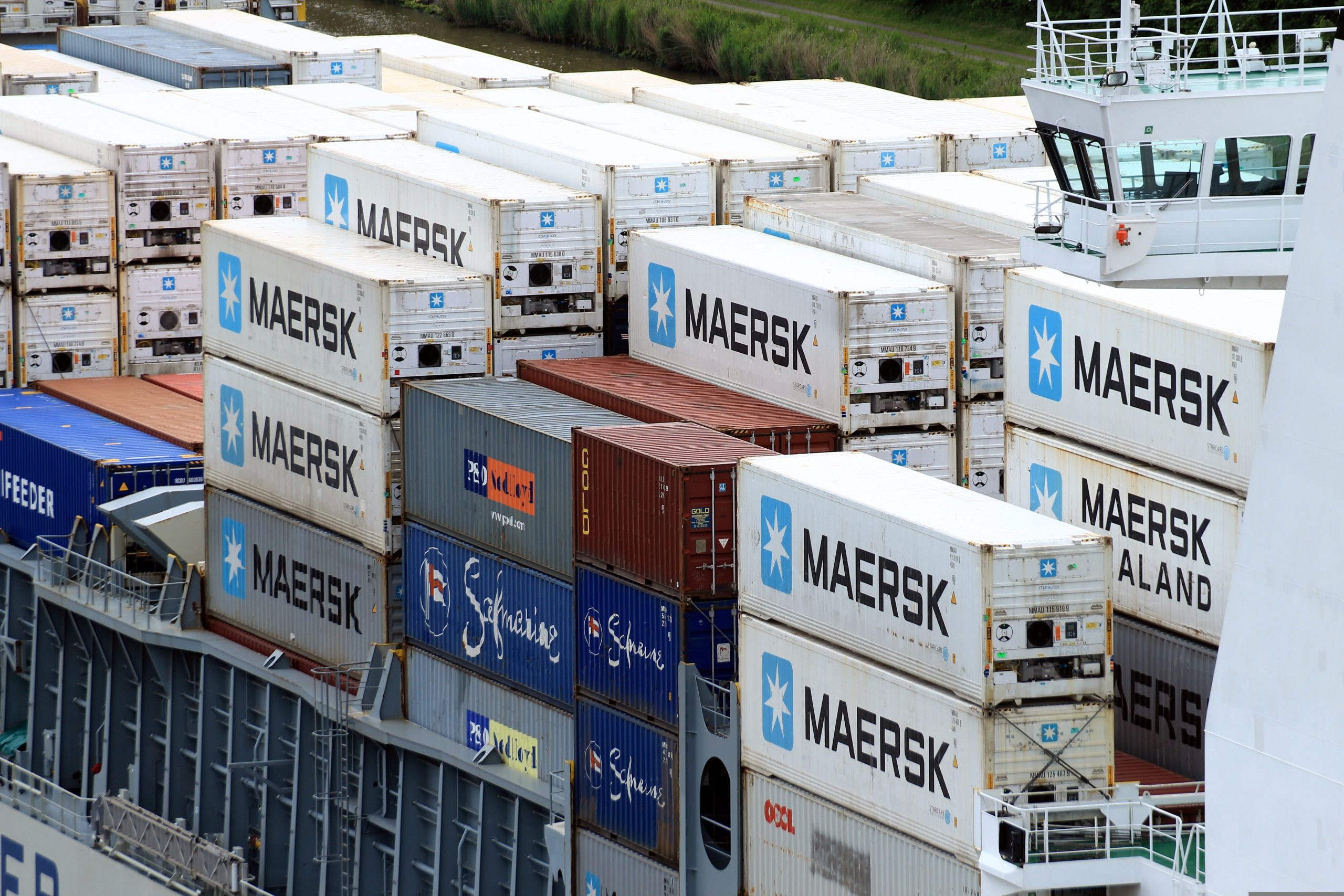
Market Ranking
Includes the top 15 container carriers ranked by approximate TEU capacity, market share, fleet scale, and headquarters location.
South America Routing
Breaks down the most recommended lines for China-to-South-America shipments, with separate notes for the west coast and east coast.
Booking Notes
Summarizes transit time, freight-rate volatility, documentation sensitivity in South America, and why a forwarder still matters.
Frequently Asked Questions
The questions below cover market ranking, fleet structure, South America routing, major trade-lane transit patterns, and practical booking considerations for exporters.
1. What are the top 15 container shipping companies by capacity
The table below shows a top-15 market snapshot based on representative 2026 fleet-capacity references. The logo column is used to display each carrier brand visually while keeping the ranking easy to scan.
| Rank | Carrier Logo | Approx. TEU | Market Share | Fleet | HQ |
|---|---|---|---|---|---|
| 1 |  | 7,340,000+ | ~20% | 800+ | Switzerland |
| 2 |  | 4,200,000+ | ~14% | 700+ | Denmark |
| 3 |  | 3,600,000+ | ~12% | 600+ | France |
| 4 |  | 3,100,000+ | ~10% | 500+ | China |
| 5 |  | 2,000,000+ | ~6% | 280+ | Germany |
| 6 |  | 2,000,000+ | ~6% | 250+ | Japan |
| 7 |  | 2,000,000+ | ~5% | 220+ | Taiwan, China |
| 8 |  | 900,000+ | ~3% | 120+ | South Korea |
| 9 |  | 700,000+ | ~2% | 100+ | Taiwan, China |
| 10 |  | 600,000+ | ~2% | 100+ | Israel |
| 11 |  | 400,000+ | ~1% | 90+ | Taiwan, China |
| 12 |  | 300,000+ | ~1% | 80+ | Singapore |
| 13 |  | 200,000+ | <1% | 60+ | South Korea |
| 14 |  | 200,000+ | <1% | 70+ | Singapore |
| 15 |  | 150,000+ | <1% | 50+ | China |
Shipping companies that Huayou has been cooperating with — MAERSK (A.P. Moller-Maersk), MSC (Mediterranean Shipping Company), ZIM (ZIM Integrated Shipping Services), CMA CGM (Compagnie Maritime d’Affrètement), ONE (Ocean Network Express), etc.
2. What key observations explain the ranking?
- Rankings are dynamic. The order changes constantly with new deliveries, vessel recycling, acquisitions, and restructurings. MSC overtook Maersk after 2022 and has remained the largest fleet by capacity.
- Alliance structure still matters. The traditional 2M cooperation involved MSC and Maersk, though the alliance is dissolving. The Ocean Alliance includes CMA CGM, COSCO, and Evergreen. THE Alliance has included Hapag-Lloyd, ONE, HMM, and Yang Ming.
- Top-10 players are global network operators. These carriers cover major east-west trunk routes and control much larger vessel pools.
- Ranks 11-15 still show meaningful regional specialization. Companies such as Wan Hai, PIL, KMTC, X-Press Feeders, and IRISL are more concentrated in regional trades or niche operating patterns, where smaller ships and targeted services remain competitive.
- Chinese carriers remain highly influential. COSCO is firmly in the global top tier and continues to be one of the most important carriers for exporters shipping out of China.
3. Is fleet size the same as carrying capacity?
No. A carrier can operate many ships but still have a lower total TEU capacity if most of those vessels are feeder ships in the 1,000-3,000 TEU range. This is why companies such as SITC or Zhonggu may have relatively large ship counts but lower total capacity compared with the top global liners. By contrast, carriers such as MSC and Maersk combine high ship counts with a significant number of 20,000+ TEU ultra-large container vessels.
4. What is the difference between self-owned and chartered-vessel strategies?
Higher owned-fleet ratios are typical of carriers such as Maersk and Hapag-Lloyd, which gives them stronger asset control and more flexibility in long-term cost management, retrofits, and environmental upgrades. Higher charter ratios are more common at companies such as ZIM and ONE, where the business model is lighter and more flexible, allowing quicker supply adjustments when demand changes. Neither strategy is universally better; it depends on risk appetite, capital discipline, and the target trade lanes.
Carrier selection works best when route, cargo profile, and document requirements are reviewed together.
5. Which shipping lines are most recommended from China to South America?
The maritime shipping routes from China to South America are typically divided into two main paths: the West Coast (e.g., Chile, Peru, Ecuador) and the East Coast (e.g., Brazil, Argentina, Uruguay). The following shipping companies are frequently recommended in the freight forwarding and foreign trade industries due to their route coverage, service stability, and market reputation:
MSC (Mediterranean Shipping Company)
Advantages: As the world’s second-largest shipping company, MSC has a dense network of routes to South America, with high-frequency direct or transshipment services on both coasts. It offers strong price competitiveness and ample cargo space.
Suitable for: General cargo with high volume where cost-effectiveness is a priority.MAERSK (A.P. Moller-Maersk)
Advantages: The world’s largest shipping company, known for stable and reliable routes. It has strong terminal control at major South American ports (e.g., Santos, Buenos Aires, Callao). Its digital services (e.g., online booking, tracking) are mature.
Suitable for: High-value goods requiring strict timing and stability, such as electronics and cold chain cargo.CMA CGM (Compagnie Maritime d’Affrètement)
Advantages: Strong route advantages on the South American East Coast (e.g., Brazil, Argentina), often sharing cargo space with COSCO to provide direct services. Offers excellent service for special containers (e.g., refrigerated, flat-rack).
Suitable for: Special needs such as large equipment and refrigerated cargo.COSCO (China COSCO Shipping Corporation)
Advantages: As a Chinese state-owned enterprise, it provides better route and cargo space guarantees at domestic ports (e.g., Shanghai, Ningbo, Shenzhen) and has close cooperation with South American local ports. Offers competitive pricing and convenient Chinese-language services.
Suitable for: Foreign trade enterprises preferring full Chinese communication or flexible domestic operations.HAMBURG SÜD (Hamburg Süd)
Advantages: Over a century of focus on the South American market, with deep route networks covering secondary ports. Experienced in handling specialized cargo such as refrigerated and hazardous goods. Maintains independent operations despite acquisition by Maersk.
Suitable for: Clients requiring services to secondary South American ports or handling special cargo (e.g., chemicals, food).EVERGREEN (Evergreen Marine Corporation)
Advantages: Stable Asia-South America route services, with direct routes to the West Coast (e.g., Chile, Peru) and high transshipment efficiency. Offers transparent freight rates.
Suitable for: Small and medium-sized clients or enterprises preferring services related to Taiwan.
Selection Recommendations
- West Coast (Chile, Peru, etc.): Prioritize MSC, MAERSK, and EVERGREEN, which offer more direct routes.
- East Coast (Brazil, Argentina, etc.): CMA CGM, MAERSK, and HAMBURG SÜD provide more comprehensive coverage.
- Special Needs: Choose HAMBURG SÜD or CMA CGM for hazardous/refrigerated cargo; select COSCO for Chinese-language service preference.
Important Notes
- Transit Time: Shipping to South America typically takes 25-45 days (shorter for West Coast, longer for East Coast), depending on ports and routes.
- Price Fluctuations: South American route freight rates are significantly affected by seasons (e.g., pre-Chinese New Year shipping peaks) and fuel surcharges; it is recommended to inquire with freight forwarders before booking.
- Customs Clearance Documents: South American countries have strict requirements for documentation (e.g., Brazil requires NF-e tax number); confirm destination port regulations in advance.
It is recommended to book cargo space through freight forwarding companies, as they can integrate resources from multiple shipping companies to provide optimal solutions based on your cargo type, budget, and timing requirements.
6. Which carriers fit the west coast and east coast of South America?
- West Coast South America: MSC, Maersk, and Evergreen are usually the first lines to compare because they tend to offer more direct or efficient options to Chile, Peru, and Ecuador.
- East Coast South America: CMA CGM, Maersk, and Hamburg Süd are often stronger choices when shipping to Brazil, Argentina, or Uruguay, especially when service stability matters.
7. Which carriers fit special cargo or Chinese-language service needs?
- Dangerous cargo / reefer / project cargo: Hamburg Süd and CMA CGM are often preferred because of stronger experience with specialized equipment and documentation.
- Chinese-language communication and domestic coordination: COSCO is often the most convenient choice for exporters that want smoother communication from China origin operations through booking and document handling.
8. What practical shipping notes should exporters keep in mind?
- Transit time: Typical ocean transit from China to South America is about 25-45 days. West coast services are usually shorter, while east coast services are typically longer.
- Freight rates: South America rates move noticeably with seasonality, pre-holiday export peaks, and bunker-related surcharges.
- Documentation: South American customs can be strict. Brazil, for example, often requires highly accurate consignee tax details and documentary consistency.
- Execution: Many shippers still rely on freight forwarders because forwarders can compare multiple carriers, protect space, and advise on local document rules.
9. What major industry trends are shaping container shipping now?
- Green transition: Leading carriers continue investing in LNG, methanol, and other lower-emission vessel programs.
- Consolidation pressure: Industry concentration remains high, and midsize carriers continue operating under intense competitive pressure.
- Digital service upgrades: Mainstream lines now provide much better online booking, shipment visibility, and document management than before.
- Orderbook impact: Large newbuilding programs at MSC, COSCO, and CMA CGM can still reshape market rankings in the coming years.
10. Which shipping lines are most recommended from China to Oceania?
From China to Oceania, the best carrier choice usually depends on destination port coverage, cargo type, and schedule stability. The most recommended lines are:
- MAERSK: Broad Australia and New Zealand coverage with stable schedules and strong digital tracking.
- MSC: Competitive pricing, flexible routing, and wide port coverage for both major and secondary destinations.
- COSCO: Strong China origin operations, convenient Chinese-language communication, and reliable direct services from major export ports.
- CMA CGM: Well suited for reefer, project, and other specialized cargo with solid Australia and New Zealand coverage.
- ONE: Strong schedule discipline and good terminal resources across key Australian ports.
- Hapag-Lloyd: A dependable option for temperature-controlled or dangerous cargo.
- ANL: Particularly useful for secondary Australian and New Zealand ports because of its local market strength.
11. What are the fastest ocean freight routes from China to South America?
- West Coast South America: Direct services from Shanghai, Ningbo, or Yantian to Chile, Peru, and Ecuador are usually the fastest, at roughly 25-35 days.
- East Coast South America: Brazil, Argentina, and Uruguay typically run about 35-45 days, with Panama Canal services often faster than Cape of Good Hope routings.
- Fast-service carriers: MSC, CMA CGM, Hamburg Süd, COSCO, Maersk, and Evergreen are common lines to compare when transit time is critical.
- Planning rule: Prioritize direct calls, avoid extra transshipment where possible, and verify customs-document readiness before booking.
12. What are the fastest ocean freight routes from China to Europe?
- North Europe gateways: Direct services from Shanghai or Ningbo to Rotterdam, Hamburg, or Antwerp are usually the fastest, around 25-35 days.
- United Kingdom: Southampton or Felixstowe sailings commonly run about 30-38 days, depending on port rotation and congestion.
- Mediterranean: West Mediterranean gateways such as Algeciras or Genoa can move in roughly 28-33 days.
- Execution tips: Choose direct services, minimize transshipment, and prepare EORI and destination compliance documents early to protect total lead time.
13. What are the fastest ocean freight routes from China to North America?
- US West Coast: Direct services from Shanghai, Ningbo, or Yantian to Los Angeles, Long Beach, Seattle, or Vancouver usually run about 12-18 days.
- US East Coast: The fastest option is often mini-bridge service via the West Coast plus rail, around 18-25 days, versus about 25-35 days for all-water services via Panama.
- Gulf Coast: Houston or New Orleans routings usually range around 20-30 days depending on service design.
- Fast-service comparison: Maersk, CMA CGM, COSCO, ONE, HMM, and Matson are common benchmarks when speed is the priority.
Core Carrier Partners
Our long-term working carriers include MAERSK, MSC, ZIM, CMA CGM, and ONE. Carrier selection should be matched to route coverage, transit time, equipment availability, and customs-document requirements for each shipment.
Fleet rankings, vessel counts, and service patterns are dynamic, so final booking decisions should always be checked against current schedules and market data.